The assessment on the impact of 2025 Earthquake in Myanmar’s Education Sector
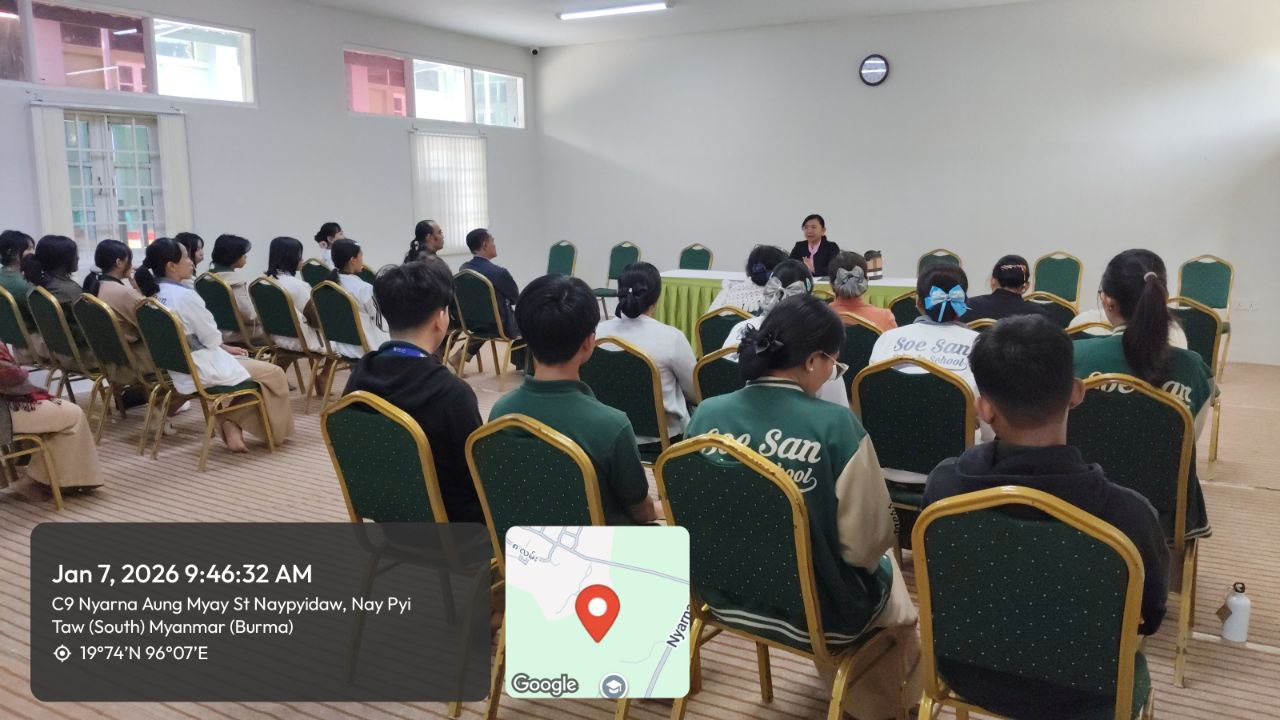
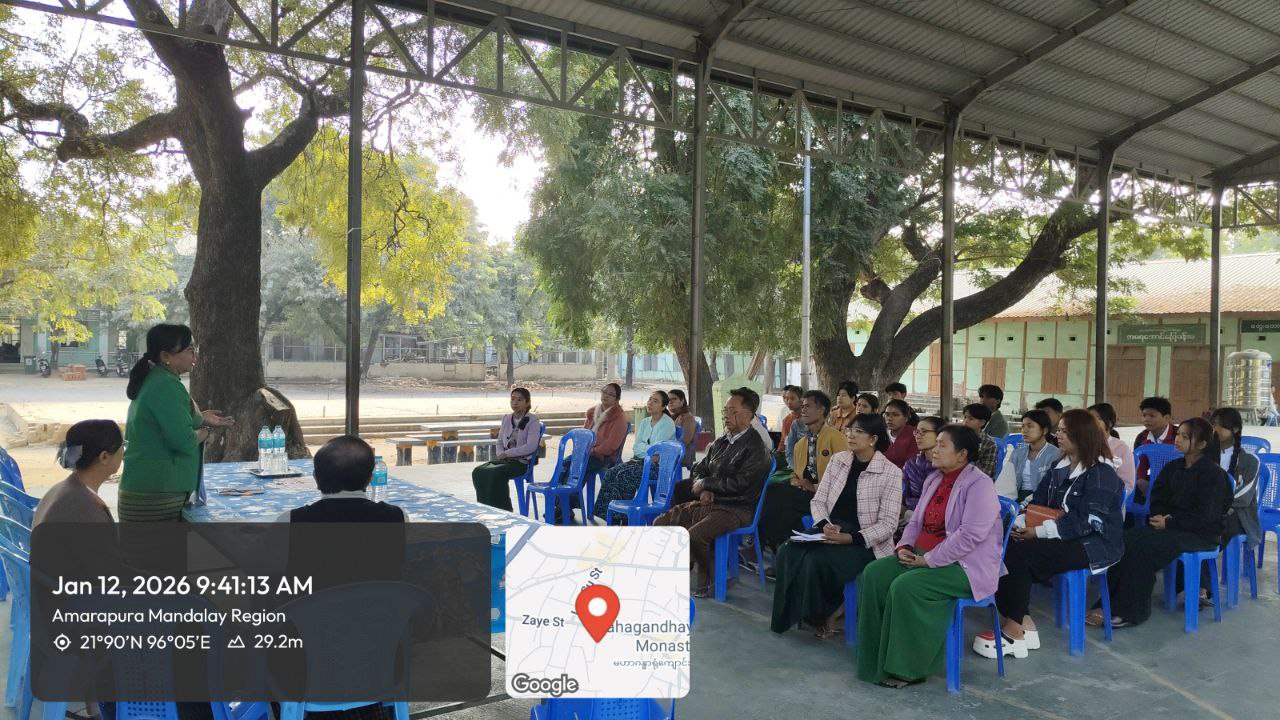
On 28 March 2025, a magnitude 7.7 earthquake struck central Myanmar, causing significant damage across Mandalay, Sagaing and Bago (East) Regions, Nay Pyi Taw, and Southern Shan State, with major consequences for the education sector. The earthquake affected school buildings, water and sanitation facilities, access routes, and the continuity of teaching and learning. Its impact extended beyond visible structural damage, creating broader operational and systemic challenges for school reopening, educational continuity, and long-term resilience. This assessment examines those impacts through three linked pillars: Safe Learning Facilities, Continuity of Learning, and Resilient Education Systems. The study used a rapid, field-based methodology combining desk review, school compound and building assessments, stakeholder interviews, and structured questionnaires with school administrators, teachers, students, parents, and township education actors. It covered selected schools across multiple affected regions and school types, including public, private, and monastic schools. The analytical approach focused not only on the presence of damage, but also on whether schools remained safe, usable, and able to sustain teaching and learning under post-earthquake conditions. As the field assessment was conducted approximately nine months after the earthquake, many severely damaged buildings had already been repaired, replaced, or reconstructed, and the findings therefore reflect both residual damage and post-event recovery conditions.
Gallery